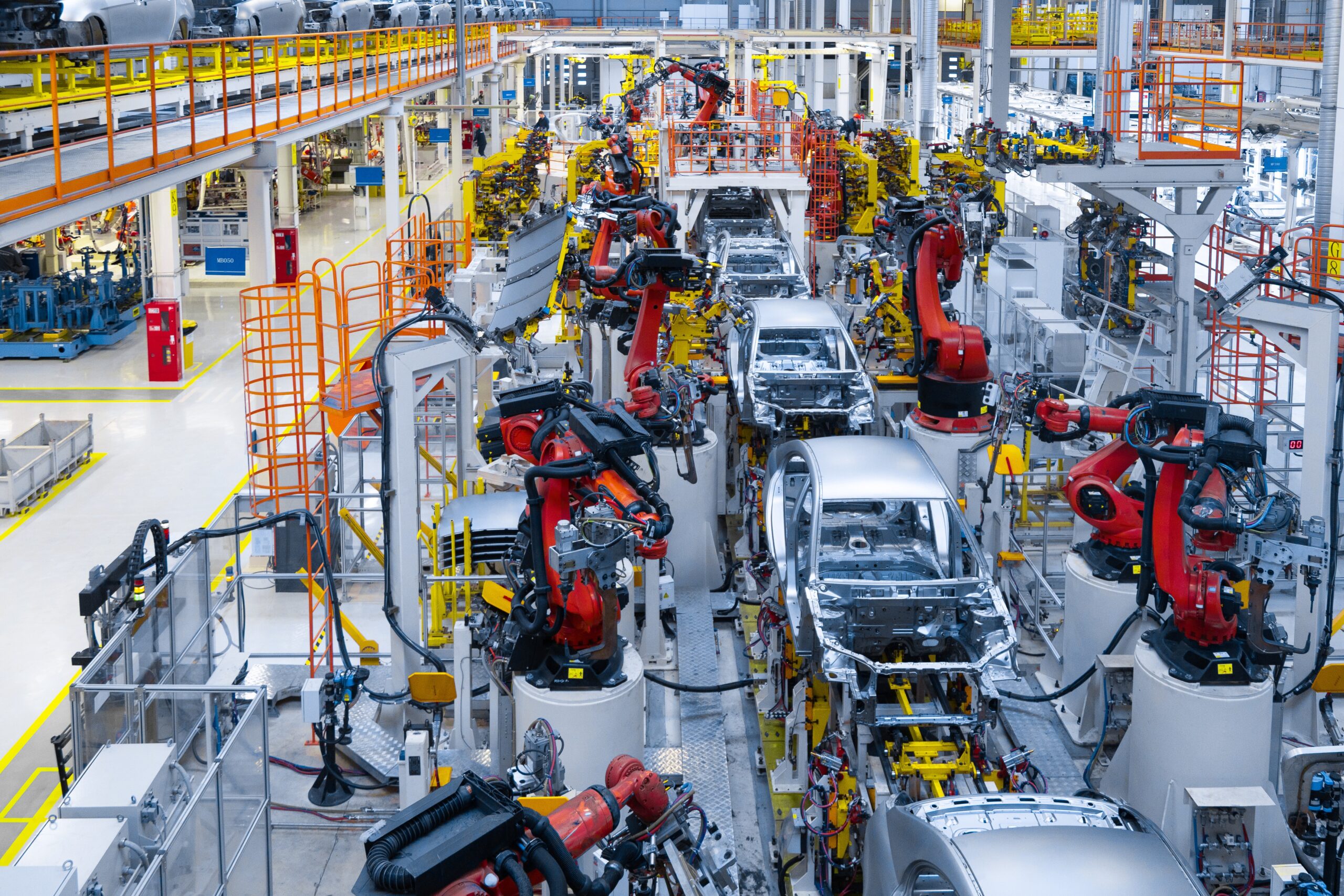
The transition to electric vehicles (EVs) is revolutionizing the automotive sector. As EVs hold the promise of reduced emissions for end-users, producers need to mitigate the carbon impact of manufacturing as well. Right from battery fabrication to paint operations and supply chain logistics, minimizing carbon emissions throughout the manufacturing process is imperative for ESG (Environmental, Social, and Governance) and sustainable long-term existence.
At POSITIIVPLUS, we assist vehicle makers in creating carbon reduction roadmaps for the production of electric vehicles through real-time information, predictive insights, and process improvement. This blog discusses how to create low-carbon EV manufacturing facilities.
Why Carbon Reduction Is Important in EV Production
- Compliance with Regulations
Governments across the globe are imposing stringent emissions regulations as well as reporting requirements on automotive manufacturing.
- ESG and Investors’ Expectations
Investors and stakeholders increasingly value low-carbon operations as a sustainability and long-term profitability metric.
- Cost Savings and Operational Efficiency
Efficient processes save resources and electricity, decreasing production costs.
- Brand Reputation
EV buyers prefer EVs produced with sustainable methods, enhancing brand credibility and market competitiveness.
Carbon Reduction Strategies in EV Production
- Energy Optimization
Install smart energy management systems to track electricity consumption in real-time, cut peak loads, and shift to renewable power sources.
- Sustainable Supply Chain Management
Partner with suppliers who have a focus on low-carbon materials, recycling, and energy-efficient logistics to cut upstream emissions.
- Process Innovation
Implement low-emission manufacturing processes in battery assembly, painting, stamping, and other high-impact operations.
- Predictive Maintenance and Real-Time Monitoring
Avoid unplanned downtime and wasteful operations with data-driven insights, minimizing energy waste and carbon emissions.
- Carbon Accounting and Reporting
Measure, track, and report carbon footprint accurately with digital tools across production sites, enabling ESG compliance.
Conclusion: Driving Sustainability in EV Manufacturing
Carbon emissions reduction in EV manufacturing is not only essential for regulatory compliance but also to ensure operational efficiency, cost competitiveness, and brand reputation. Through the use of real-time data, green supply chain strategies, and process innovation, automobile companies can ensure low-carbon operations that are aligned with ESG principles.
We at POSITIIVPLUS assist EV manufacturers in creating executable carbon reduction roadmaps that maximize efficiency, lower environmental footprint, and enhance sustainability credentials.
Speed up your EV factory’s carbon reduction journey. Discover our ESG-led solutions at POSITIIVPLUS.