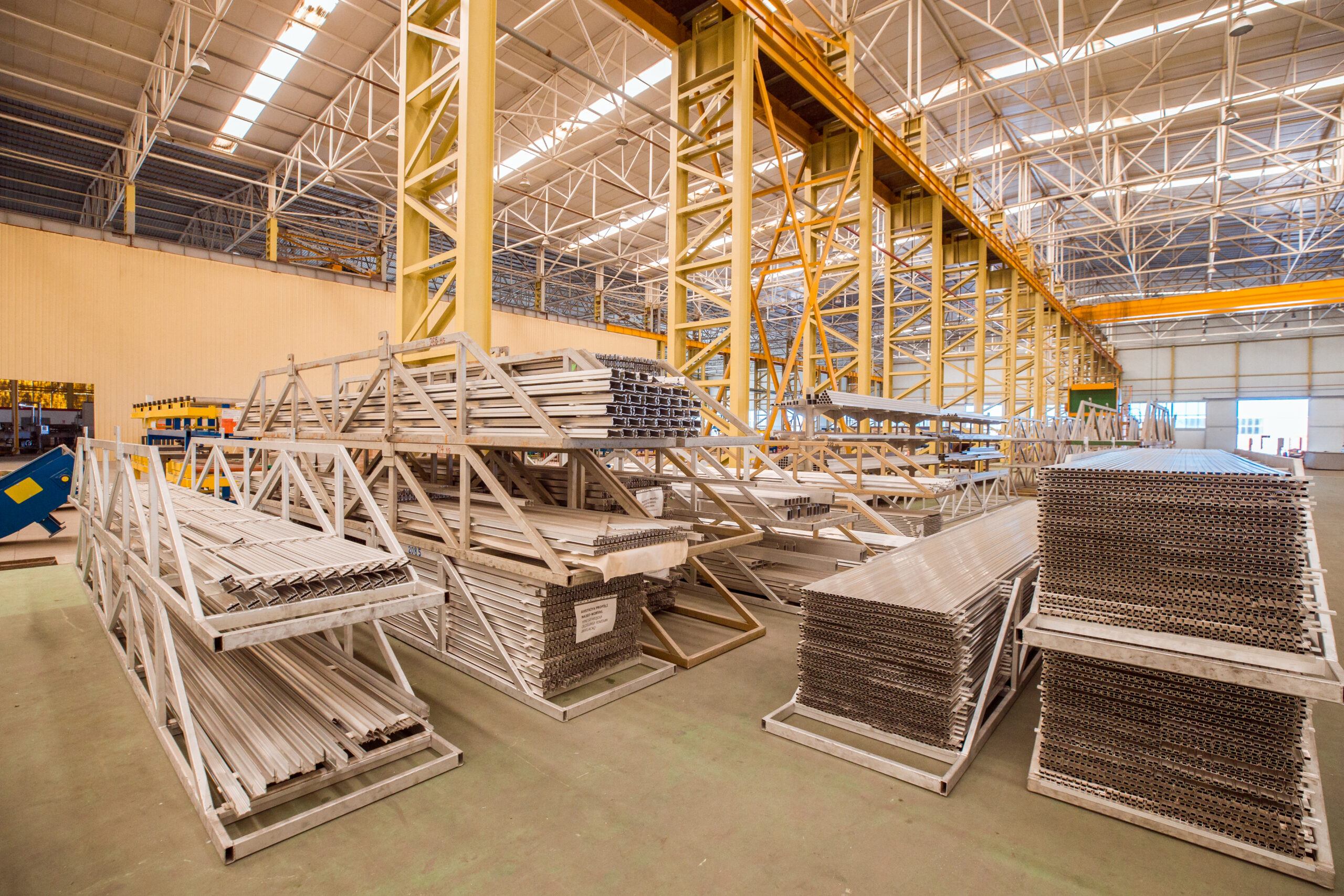
Within the rapidly advancing building material industry, quality and safety standards are paramount—not just for regulatory compliance but also for long-term sustainability and profitability. With increasing complexity in construction projects and ESG objectives as business strategies, training suppliers and teams has never been as important.
At PositiivPlus, we equip organizations with sustainable services and tools that are meant to drive compliance, safety, and operational excellence. In this blog, we will talk about the importance of training programs, how they influence the supply chain, and effective strategies for establishing a culture of quality and safety excellence.
Why Training is Important in the Building Materials Sector
1. Adherence to Regulations and Standards
Building codes, safety standards, and environmental regulations evolve continuously. Without ongoing training, teams and suppliers can fall behind, resulting in non-compliance, fines, or even project cancellations.
2. Reducing Risk and Liability
Trained employees and suppliers are less likely to cause errors that sacrifice safety or quality. Avoiding accidents and proper material handling safeguard workers, customers, and communities.
3. Fuelling ESG and Sustainability Initiatives
Training ensures that all members of the supply chain know their part in minimizing waste, lessening environmental footprints, and preserving ethical sourcing methods—vital elements of ESG success.
4.Enhancing Productivity and Effectiveness
When crews understand how to treat materials, use safety procedures, and streamline processes, effectiveness increases. This minimizes downtime, prevents rework, and speeds up project completion.
5. Enhancing Reputation and Client Trust
Customers increasingly expect clear, safe, and sustainable procedures. Educating your teams and suppliers to deliver on these expectations builds credibility and ensures long-term relationships.
Keystone Areas for Training
1. Quality Standards and Testing
Train teams on how to evaluate material quality, inspect, and record results. This guarantees only high-quality materials flow through the supply chain.
2. Health, Safety, and Environment (HSE) Protocols
From correct equipment use to the management of waste, HSE-centered training mitigates hazards and harmonizes operations with international safety standards.
3. Ethical and Sustainable Sourcing
Train suppliers to adhere to ethical labor practices, uphold sustainable procurement, and deliver transparent reporting.
4. Digital Tools and Real-Time Tracking
Equip teams with training in digital inventory systems, IoT tools, and data-driven platforms. This maximizes transparency and ensures compliance across projects.
5. Continuous Improvement and ESG Awareness
Encourage continuous learning regarding trends in ESG, regulatory updates, and best practices evolving. This future-proof supply chains against changing challenges.
Effectively Deploying Training Programs
Tailored Training Modules: Design programs by role—procurement teams, on-site personnel, or suppliers.
Blended Learning Strategies: Employ a combination of classroom sessions, e-learning, and on-site demonstrations.
Certification and Recognition: Offer certificates to affirm commitment and establish credibility.
Supplier Partnerships: Engage with vendors to standardize training throughout the supply chain.
Regular Audits and Assessments: Continuously evaluate the effectiveness of training to identify gaps and improve outcomes.
Conclusion: Training is the Foundation of Excellence Investing in team and supplier training isn’t merely about regulatory compliance—it’s about building a culture of accountability, safety, and sustainability. With strong programs in place, companies lower risk, enhance efficiency, and enhance their ESG performance.
At PositiivPlus, we offer the sustainable tools, services, and frameworks necessary to drive quality and safety excellence throughout the building materials sector. We can help build a safer, more sustainable future together. Equip your suppliers and teams with appropriate training. Learn about our ESG-driven solutions at PositiivPlus.